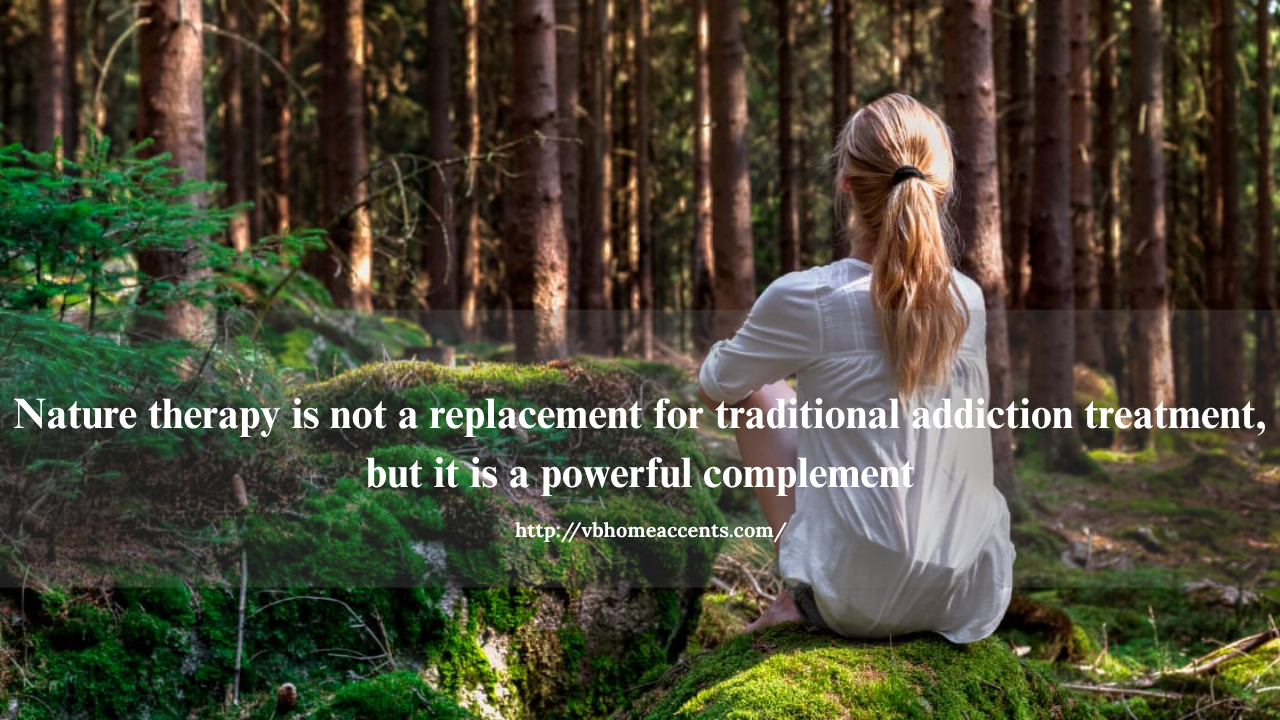
Addiction is a complex and deeply personal struggle that affects the mind, body, and spirit. Traditional recovery methods—such as counseling, group therapy, and medication—are essential, but healing from addiction often requires more than clinical intervention. For many, the natural world provides a powerful and transformative form of therapy. Known as nature therapy or ecotherapy, this practice involves connecting with the earth to promote mental clarity, emotional balance, and lasting sobriety. By returning to nature, individuals can reconnect with themselves, fostering healing at the most fundamental level.
The Concept of Nature Therapy
Nature therapy is the practice of engaging with the outdoors as part of the healing process. This can involve activities like hiking, gardening, forest bathing (known as Shinrin-yoku in Japan), or simply sitting quietly in a park. The goal is to foster mindfulness, reduce stress, and build a sense of connection with the natural world. For individuals in recovery, these activities help shift the focus from cravings and inner turmoil to the peacefulness of the present moment.
Scientific studies support the benefits of nature therapy. Research shows that spending time in green spaces lowers cortisol levels—the hormone responsible for stress—and increases the production of serotonin and dopamine, chemicals in the brain that promote happiness and emotional balance. Since addiction often disrupts these natural processes, nature therapy offers a gentle way to restore emotional equilibrium.
Healing the Mind and Spirit
One of the core challenges in addiction recovery is learning to cope with difficult emotions without turning to substances. Nature provides a soothing and non-judgmental space where individuals can process their feelings. The sights, sounds, and rhythms of the natural world naturally promote mindfulness, helping people stay grounded and focused on the present rather than worrying about the past or future.
Moreover, spending time in nature fosters humility and perspective. Watching a tree sway in the wind or observing a river flow can remind individuals of life’s continuity and resilience. These reflections can be powerful motivators during recovery, reinforcing the idea that healing is possible, even after hardship.
Building Resilience and Routine
Nature therapy also helps build healthy routines—another critical element of addiction recovery. Activities like daily walks, tending a garden, or joining outdoor adventure programs introduce structure and physical movement into daily life. Exercise in nature has been shown to improve mood, reduce anxiety, and promote better sleep, all of which support sobriety.
Additionally, outdoor group therapy programs provide opportunities for community building. Sharing a hike or participating in wilderness retreats allows individuals in recovery to form supportive relationships, reducing the isolation that often accompanies addiction.
Conclusion
Nature therapy is not a replacement for traditional addiction treatment, but it is a powerful complement. By reconnecting with the natural world, individuals in recovery can heal not just their bodies but also their minds and spirits. The roots of recovery are often found in the simplest moments—walking through a forest, breathing fresh air, and remembering that life, like nature, is full of second chances.