Healthy Homes, Healthy Minds: How Your Living Space Shapes Recovery and Well-Being

Recovery from addiction and mental health challenges is about more than therapy sessions and treatment plans. The environment where you live every day plays a crucial role in your emotional well-being, stress levels, and ability to maintain sobriety. At VB Home Accents, we recognize that healing is holistic. A supportive home can reinforce treatment progress, reduce triggers, and provide the stability necessary for long-term recovery. Creating a space that nurtures both mind and body is an essential part of building a life of wellness.

The Link Between Your Home and Recovery

Your living space influences your mood, energy, and daily habits. Cluttered, chaotic, or trigger-filled homes can increase anxiety and disrupt routines, making recovery more difficult. On the other hand, a calm, organized, and intentional environment promotes clarity, emotional balance, and healthy decision-making.

Research and clinical experience show that individuals returning to stable, supportive homes are more likely to maintain sobriety, follow treatment plans, and cultivate lasting emotional resilience. In this way, the home is not just a place to live but a partner in recovery.

Creating a Recovery-Friendly Home Environment

Transforming your home into a supportive environment does not require major renovations. Small, thoughtful adjustments can make a significant difference in your recovery journey.

Declutter and Organize

Physical clutter often reflects mental clutter. Start by tackling one area at a time, creating functional storage, and maintaining a simple routine for keeping spaces tidy. An organized home reduces stress, improves focus, and gives a sense of control that is vital for mental health and addiction recovery.

Remove Triggers and Maintain Sobriety

A safe home is critical to protecting sobriety. Remove alcohol, drugs, and items associated with past addictive behaviors. Set boundaries within the household to ensure a supportive atmosphere. Encourage healthy routines, such as journaling, meditation, or exercise, to replace old habits with constructive practices.

Enhance Comfort and Natural Elements

Environmental factors like natural light, airflow, and comfortable furnishings have a direct impact on mood and sleep. Open windows to improve ventilation, use soft lighting for relaxation, and incorporate calming décor or plants. These small changes create a soothing, restorative environment that supports mental health.

Designate Spaces for Mindfulness and Reflection

Recovery requires intentional time for reflection, prayer, or meditation. Even a small corner can serve as a sanctuary for emotional processing, mindfulness, and stress reduction. Creating consistent spaces for these practices reinforces coping strategies learned during treatment.

Supporting Recovery Through Daily Structure

Structure is a key element of lasting recovery. Your home should facilitate predictable routines for sleep, nutrition, exercise, and self-care. Consistent daily habits reduce stress and strengthen the skills learned in both inpatient and outpatient programs.

Involving Family and Caregivers

Recovery is enhanced when family members or caregivers participate in creating a supportive home environment. Open communication, respect for boundaries, and shared responsibility contribute to stability and emotional safety. When loved ones are engaged in the process, the home becomes a foundation for ongoing recovery.

Practical Tips for a Healthy Home

  1. Declutter and maintain organization to reduce stress.
  2. Remove substances and triggers to support sobriety.
  3. Introduce natural light, airflow, and comfortable furnishings.
  4. Create spaces for reflection, mindfulness, or creative expression.
  5. Establish consistent routines for sleep, meals, and self-care.
  6. Engage family or caregivers in maintaining a calm and structured environment.

Conclusion

Your home is more than a physical space. It is a key component of your recovery journey. By creating an organized, safe, and nurturing environment, you reinforce emotional well-being, strengthen sobriety, and support lasting resilience. At VB Home Accents, our holistic, faith-based, and individualized approach ensures that clients not only receive professional treatment but also learn how to cultivate living spaces that promote long-term wellness.

If you or a loved one are navigating recovery from addiction or mental health challenges, start by evaluating your home environment. Thoughtful, intentional changes can transform your space into a sanctuary that supports healing and personal growth. Reach out to VB Home Accents today to learn how our programs can guide you toward a healthier, more balanced life.

Healing Through Expression: How Art Therapy Supports Addiction Recovery and Mental Health

Recovery from addiction is more than abstaining from substances. It is a journey of emotional healing, self-discovery, and rebuilding a life that may have been disrupted by trauma, stress, and unhealthy coping strategies. Traditional therapies provide critical support, but some experiences are difficult to express through words alone. Art therapy offers a transformative approach, allowing individuals to process emotions, reduce stress, and strengthen resilience in a safe and creative environment. At Keweenaw Krayons, art therapy is integrated into holistic, faith-based, and individualized programs to help clients explore, heal, and grow.

What is Art Therapy and Why It Matters

Art therapy is a therapeutic process that uses creative expression—such as drawing, painting, or sculpting—to support mental health and addiction recovery. By externalizing thoughts and feelings visually, clients can access emotions that may be difficult to verbalize. This approach is especially helpful for those who have experienced trauma or struggle with anxiety, depression, or substance use disorders.

Research demonstrates that art therapy can reduce stress, promote mindfulness, and enhance emotional regulation. It provides a structured yet flexible space for clients to explore their experiences safely and gain insight into their emotions and behaviors.

Emotional Expression Beyond Words

One of the primary benefits of art therapy is helping clients express complex emotions without relying solely on verbal communication. Feelings such as shame, grief, anger, or fear can be represented through colors, shapes, and textures. Sharing and reflecting on this artwork with a therapist fosters self-awareness, understanding, and emotional release—key elements in supporting long-term recovery.

Safe Exploration of Trauma

Many people in recovery carry unresolved trauma, which can influence behavior and emotional health. Art therapy offers a non-threatening way to explore traumatic experiences. Clients can symbolize their experiences through art, which allows them to process emotions at their own pace while maintaining a sense of safety and control. This approach reduces emotional overwhelm and builds coping skills for everyday life.

Integrating Art Therapy Into Recovery Programs

At Keweenaw Krayons, art therapy is fully integrated into both inpatient and outpatient programs, ensuring that creative healing complements clinical and holistic treatment.

Art Therapy in Inpatient Care

In inpatient settings, structured daily sessions of art therapy provide a safe environment for emotional expression and reflection. These sessions support traditional counseling, group therapy, and skill-building activities. Clients are encouraged to experiment with creativity, explore their inner world, and connect with peers, fostering both self-awareness and community.

Continuing Creative Healing in Outpatient Programs

Outpatient programs allow clients to apply skills learned in treatment to real-life situations. Art therapy techniques practiced in outpatient care serve as practical coping tools for managing stress, processing emotions, and navigating recovery challenges. This continuity strengthens resilience and supports sustainable mental wellness beyond the treatment setting.

Holistic and Individualized Approach

Every recovery journey is unique, and art therapy at Keweenaw Krayons is tailored to each individual’s needs, goals, and comfort level. By combining evidence-based clinical methods with holistic care and faith-based guidance, clients address the emotional, psychological, and spiritual dimensions of healing. This individualized approach promotes deeper insight, stronger coping skills, and renewed confidence.

Benefits of Art Therapy in Recovery

Clients who participate in art therapy often report improved emotional regulation, reduced anxiety, and increased self-esteem. Creative expression becomes a healthy outlet for stress and a tool for navigating triggers without returning to substance use. Over time, art therapy supports resilience, strengthens self-awareness, and encourages personal growth.

Take the Next Step Toward Healing

Art therapy is more than a creative activity—it is a powerful tool for rebuilding life after addiction and addressing mental health challenges. By integrating creative expression into comprehensive treatment, Keweenaw Krayons helps clients explore emotions safely, develop coping strategies, and foster lasting recovery.

If you or a loved one are seeking holistic, compassionate support for addiction or mental health, reach out to Keweenaw Krayons today. Our team is ready to guide you through personalized care and creative healing, helping you find hope, balance, and resilience on your journey to recovery.

At Home in Recovery: Practical Ways to Build a Supportive and Stable Living Space

Recovery from addiction and mental health challenges is a journey that continues well beyond the walls of a treatment center. While therapy, counseling, and structured programs provide critical guidance, the environment you return to each day can profoundly affect your progress. At VB Home Accents, we understand that a holistic approach to healing includes not only clinical care but also creating a living space that supports emotional stability, sobriety, and overall well-being. With intentional changes, your home can become a sanctuary that reinforces recovery and promotes lasting wellness.

Why a Supportive Home Matters

The spaces we inhabit have a direct impact on our stress levels, emotional balance, and daily habits. A chaotic, cluttered, or trigger-filled home can increase anxiety, disrupt routines, and even threaten sobriety. Conversely, a calm, organized, and intentionally designed home promotes clarity, stability, and emotional regulation.

Research consistently demonstrates that individuals with structured, supportive living conditions experience better recovery outcomes, including lower relapse risk, improved coping skills, and greater resilience in the face of challenges. Your home is more than a backdrop—it is an active partner in your recovery journey.

Steps to Create a Recovery-Friendly Home

Building a supportive and stable living space does not require major renovations. Small, deliberate adjustments can have a meaningful impact.

Declutter and Organize

Physical clutter often mirrors mental clutter. Begin by organizing one area at a time, creating functional storage, and developing routines to maintain order. An organized space reduces stress, enhances focus, and fosters a sense of control, which is especially important during early recovery.

Remove Triggers and Encourage Sobriety

A safe home is a sober home. Remove alcohol, drugs, and any items associated with past addictive behaviors. Establish clear boundaries within the household and designate areas for healthy activities such as meditation, journaling, or creative pursuits. This not only supports personal accountability but also reinforces the positive habits learned during treatment.

Maximize Comfort and Natural Elements

Natural light, fresh air, and comfortable furnishings significantly influence mood and emotional well-being. Open windows when possible, use soft lighting in the evening, and arrange furniture to create inviting, calming spaces. Incorporating plants or other natural elements can also promote relaxation and mental clarity.

Create Spaces for Reflection and Self-Care

Recovery requires intentional time for self-reflection and emotional processing. Designate a small corner or area for mindfulness, prayer, or journaling. Even a compact space can become a sanctuary that encourages daily reflection and supports emotional regulation.

Supporting Recovery Through Routines

Consistency is essential for long-term recovery. Your home environment should facilitate healthy daily routines, including sleep schedules, nutritious meals, exercise, and mindfulness practices. Organized spaces make it easier to maintain these habits, reducing stress and reinforcing the coping strategies learned in treatment.

Engaging Family and Caregivers

Recovery is strengthened by supportive relationships. Family members and caregivers can contribute to a stable home environment by respecting boundaries, maintaining open communication, and helping to reinforce daily routines. When everyone participates in creating a calm and structured environment, the home becomes a foundation for lasting wellness.

Practical Tips for Building a Recovery-Friendly Home

  1. Declutter and maintain organization to reduce stress.
  2. Remove substances and potential triggers to protect sobriety.
  3. Introduce natural light, airflow, and comfortable furnishings.
  4. Create dedicated spaces for reflection, mindfulness, and self-care.
  5. Establish consistent routines for meals, sleep, and daily wellness practices.
  6. Involve family or caregivers to maintain a supportive, structured environment.

Conclusion

Your home is more than a physical space—it is an essential part of your recovery journey. By intentionally creating a calm, organized, and supportive environment, you can reinforce emotional well-being, protect your sobriety, and strengthen resilience. At VB Home Accents, we combine holistic, faith-based, and individualized approaches to help clients translate treatment progress into everyday life.

If you or a loved one are navigating addiction recovery or mental health challenges, start by evaluating your home environment. Thoughtful, practical adjustments can transform your space into a sanctuary that nurtures healing and supports lasting recovery. Reach out to VB Home Accents today to learn how our personalized programs can help guide you toward a healthier, more balanced life.
The Hidden Impact of Your Home Environment on Stress, Sobriety, and Emotional Balance

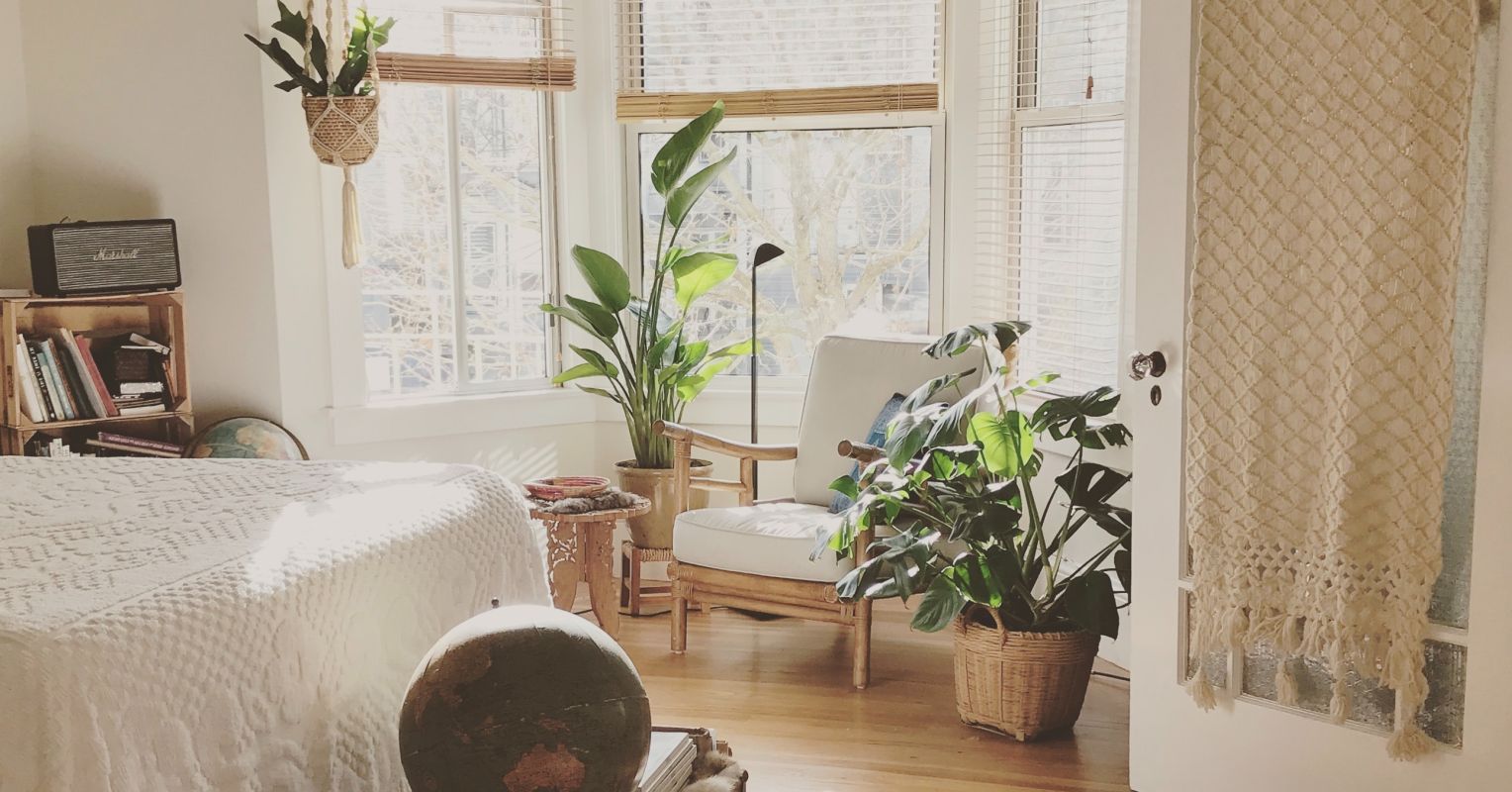
Recovery from addiction and mental health challenges is a journey that extends beyond therapy sessions and treatment plans. What may be less obvious is how your home environment directly affects your progress. Your living space can influence stress levels, emotional stability, and even the ability to maintain sobriety. At VB Home Accents, we understand that holistic healing involves creating environments that support mental, emotional, and spiritual wellness. The condition and arrangement of your home can either strengthen your recovery or subtly undermine it.

How Your Home Environment Shapes Emotional Well-Being

The spaces we inhabit daily have a measurable effect on our mental health. Clutter, noise, poor lighting, or chaotic surroundings can increase anxiety and disrupt sleep patterns, making it harder to manage stress. For someone in recovery, these factors can intensify cravings or create emotional triggers.

Conversely, a clean, organized, and intentional living environment can promote calm, focus, and emotional balance. By consciously shaping your home, you create an atmosphere that supports the coping skills and routines learned in inpatient or outpatient treatment programs.

Key Elements of a Recovery-Friendly Home

Creating a supportive home environment does not require extensive renovations. Thoughtful adjustments and mindful organization can transform your space into a sanctuary that fosters emotional stability and sobriety.

Reduce Clutter to Lower Stress

Clutter often reflects mental chaos and can make it difficult to focus on recovery goals. Begin by organizing one area at a time, creating functional storage, and developing routines for maintaining order. A tidy, structured environment helps reduce stress and enhances the sense of control critical to sustained recovery.

Remove Triggers to Protect Sobriety

A safe home environment is essential for maintaining sobriety. Remove alcohol, drugs, and any items that may be associated with past addictive behaviors. Creating clear boundaries within your home reinforces accountability and reduces temptation. Establish designated areas for healthy habits such as reading, meditation, or exercise to replace old patterns with positive routines.

Maximize Comfort, Light, and Airflow

Emotional well-being is influenced by sensory input. Natural light, fresh air, and comfortable furnishings can significantly improve mood, energy, and sleep quality. Open curtains during the day, ventilate rooms regularly, and create cozy areas where you can relax and reflect. Incorporating calming colors and indoor plants adds a soothing touch that supports mental clarity.

Design Spaces for Mindfulness and Reflection

Recovery benefits from intentional time spent in self-reflection and mindfulness. Dedicate a small corner for journaling, prayer, or meditation. Even a compact space can provide a consistent environment for emotional regulation and stress management.

Building Routines That Strengthen Recovery

Recovery is reinforced by structure. Your home should facilitate consistent routines for sleep, meals, exercise, and self-care. Organized spaces help make these habits achievable, reducing stress and promoting emotional balance. Predictable routines support long-term recovery by allowing the mind and body to operate with greater stability.

Engaging Family and Caregivers

A supportive home environment often includes understanding and compassionate family members or caregivers. Open communication, shared responsibilities, and respect for boundaries are essential. Involving loved ones in maintaining a calm, organized, and trigger-free home strengthens accountability and emotional safety.

Practical Steps to Enhance Your Home for Recovery

  1. Declutter and organize living spaces to reduce stress.
  2. Remove substances and other triggers to support sobriety.
  3. Maximize natural light, airflow, and comfort in living areas.
  4. Create dedicated spaces for reflection, mindfulness, or creative expression.
  5. Establish consistent routines for meals, sleep, and self-care.
  6. Involve family or caregivers to maintain a supportive, structured environment.

Conclusion

Your home environment has a profound and often hidden impact on stress levels, emotional balance, and recovery success. By intentionally creating a calm, organized, and safe living space, you reinforce the progress made in treatment and protect your long-term wellness. At VB Home Accents, our holistic, faith-based, and individualized approach ensures that clients receive the support needed to thrive in both treatment and daily life.

If you or a loved one are navigating recovery or mental health challenges, start by assessing your home environment. Small, mindful changes can create a sanctuary that nurtures healing, reinforces sobriety, and strengthens emotional well-being. Reach out to VB Home Accents today to learn how our personalized programs can guide you toward lasting recovery and balance.

Creating a Calm and Safe Home After Treatment: Essential Steps for Lasting Wellness

Completing addiction treatment is a major milestone, but it is not the end of the recovery journey. In many ways, it is the beginning of a new chapter. The transition from inpatient or outpatient care back into everyday life can feel overwhelming. Your home environment plays a powerful role in determining whether that transition feels stable and supportive or stressful and uncertain. At VB Home Accents, we believe lasting wellness requires more than clinical care. It requires a calm, safe home that reinforces the progress made in treatment and supports continued mental health and addiction recovery.

Why Your Home Environment Matters After Treatment

After structured treatment, individuals often move from a highly supportive setting into a more independent environment. During inpatient care, routines are established, triggers are managed, and emotional support is readily available. Once home, those protective layers may feel thinner.

A calm and safe home environment helps bridge that gap. It reduces exposure to triggers, supports emotional regulation, and encourages the healthy routines learned in treatment. Research consistently shows that stable living conditions improve long term recovery outcomes, reduce relapse risk, and strengthen overall mental health.

Creating a recovery friendly home is not about perfection. It is about intentionality and consistency.

Step One: Remove Triggers and Reinforce Sobriety

The first essential step after treatment is ensuring your home supports sobriety and emotional safety.

Eliminate Substances and High Risk Items

Remove alcohol, drugs, and any paraphernalia associated with past substance use. This includes items that may seem minor but carry emotional weight. A trigger free environment reduces temptation and protects early recovery, which is often the most vulnerable stage.

Set Clear Boundaries Within the Household

If you live with family or roommates, have open conversations about expectations. Agree on guidelines that protect sobriety and mental health. Clear communication builds trust and reinforces accountability.

Step Two: Establish Structure and Routine

One of the most powerful aspects of treatment is structure. Recreating that structure at home is vital for lasting wellness.

Create a Consistent Daily Schedule

Set regular times for waking up, meals, exercise, and sleep. Predictable routines reduce stress and stabilize mood. When the brain knows what to expect, it can focus on growth rather than survival.

Designate Spaces for Healthy Habits

Arrange your home in a way that supports positive behaviors. A clean kitchen encourages nutritious meals. A small corner for journaling or prayer supports reflection. A clutter free bedroom promotes restorative sleep. These simple adjustments reinforce coping skills learned in therapy.

Step Three: Cultivate a Calm and Restorative Atmosphere

Emotional well being is closely connected to physical surroundings.

Reduce Clutter and Simplify

Clutter often increases anxiety and distracts from important recovery goals. Begin with small, manageable areas and gradually organize your living space. A tidy home creates mental clarity and a sense of control.

Maximize Natural Light and Comfort

Natural light improves mood and regulates sleep patterns. Open curtains during the day and use soft lighting in the evening. Comfortable seating, calming colors, and fresh air contribute to a soothing environment that supports mental health.

Step Four: Involve Your Support System

Recovery is rarely successful in isolation. Family members and caregivers can play an essential role in maintaining a calm and safe home.

Encourage open dialogue about emotional needs and triggers. Participate in family therapy if recommended. When loved ones understand the recovery process, they are better equipped to offer meaningful support.

How VB Home Accents Supports Lasting Wellness

At VB Home Accents, we understand that healing extends beyond the walls of a treatment center. Our addiction recovery services and mental health treatment programs are designed with a holistic, faith based, and individualized approach. Whether through inpatient or outpatient care, we help clients build the skills necessary to create supportive environments that promote long term stability.

We work alongside individuals and families to address not only substance use but also underlying emotional and spiritual needs. This comprehensive care model strengthens the foundation for lasting wellness.

Build a Home That Protects Your Progress

Returning home after treatment can feel uncertain, but it is also an opportunity. By intentionally creating a calm and safe home environment, you reinforce the hard work you have already done. Removing triggers, establishing routines, and cultivating a peaceful atmosphere are practical steps that protect your recovery and support emotional well being.

If you or a loved one are preparing to transition from treatment or need additional support, VB Home Accents is here to help. Our compassionate team provides personalized addiction recovery and mental health treatment designed to guide you toward lasting wellness. Reach out today and take the next step in building a home and a life that support true healing.