Roots of Recovery: How Nature Therapy Helps Heal Addiction

Addiction is a complex and deeply personal struggle that affects the mind, body, and spirit. Traditional recovery methods—such as counseling, group therapy, and medication—are essential, but healing from addiction often requires more than clinical intervention. For many, the natural world provides a powerful and transformative form of therapy. Known as nature therapy or ecotherapy, this practice involves connecting with the earth to promote mental clarity, emotional balance, and lasting sobriety. By returning to nature, individuals can reconnect with themselves, fostering healing at the most fundamental level.

The Concept of Nature Therapy

Nature therapy is the practice of engaging with the outdoors as part of the healing process. This can involve activities like hiking, gardening, forest bathing (known as Shinrin-yoku in Japan), or simply sitting quietly in a park. The goal is to foster mindfulness, reduce stress, and build a sense of connection with the natural world. For individuals in recovery, these activities help shift the focus from cravings and inner turmoil to the peacefulness of the present moment.

Scientific studies support the benefits of nature therapy. Research shows that spending time in green spaces lowers cortisol levels—the hormone responsible for stress—and increases the production of serotonin and dopamine, chemicals in the brain that promote happiness and emotional balance. Since addiction often disrupts these natural processes, nature therapy offers a gentle way to restore emotional equilibrium.

Healing the Mind and Spirit

One of the core challenges in addiction recovery is learning to cope with difficult emotions without turning to substances. Nature provides a soothing and non-judgmental space where individuals can process their feelings. The sights, sounds, and rhythms of the natural world naturally promote mindfulness, helping people stay grounded and focused on the present rather than worrying about the past or future.

Moreover, spending time in nature fosters humility and perspective. Watching a tree sway in the wind or observing a river flow can remind individuals of life’s continuity and resilience. These reflections can be powerful motivators during recovery, reinforcing the idea that healing is possible, even after hardship.

Building Resilience and Routine

Nature therapy also helps build healthy routines—another critical element of addiction recovery. Activities like daily walks, tending a garden, or joining outdoor adventure programs introduce structure and physical movement into daily life. Exercise in nature has been shown to improve mood, reduce anxiety, and promote better sleep, all of which support sobriety.

Additionally, outdoor group therapy programs provide opportunities for community building. Sharing a hike or participating in wilderness retreats allows individuals in recovery to form supportive relationships, reducing the isolation that often accompanies addiction.

Conclusion

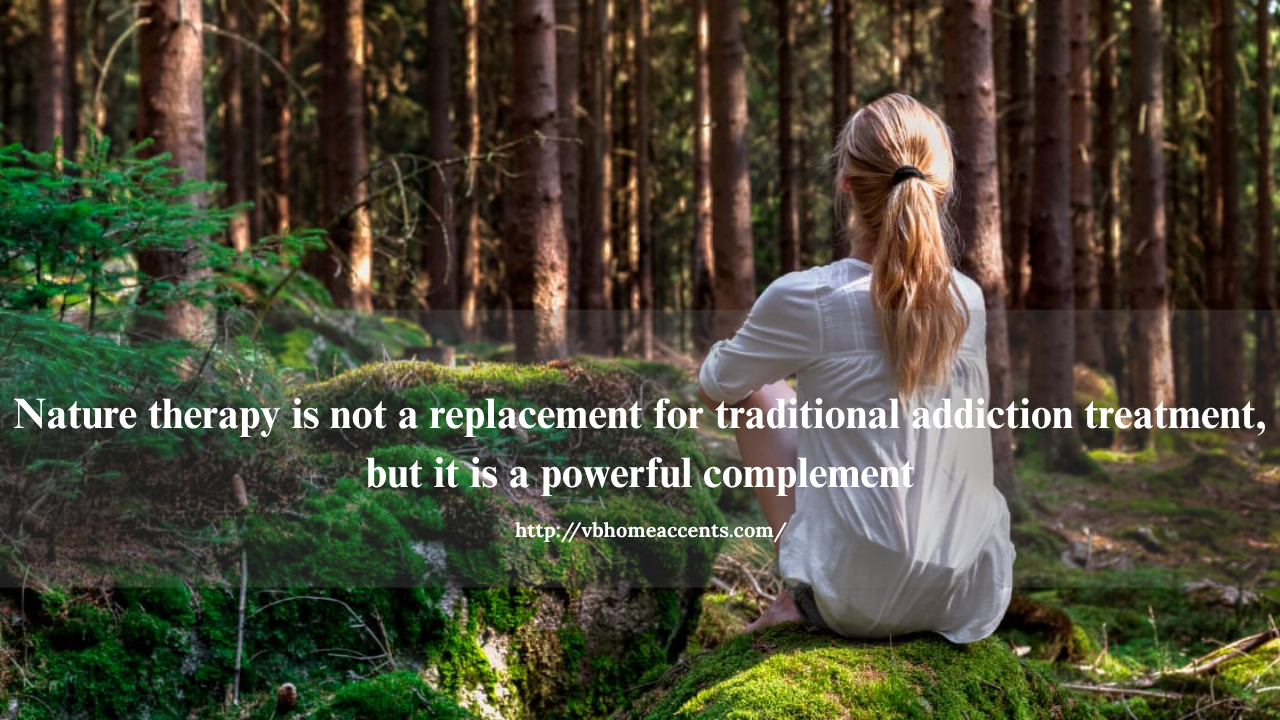
Nature therapy is not a replacement for traditional addiction treatment, but it is a powerful complement. By reconnecting with the natural world, individuals in recovery can heal not just their bodies but also their minds and spirits. The roots of recovery are often found in the simplest moments—walking through a forest, breathing fresh air, and remembering that life, like nature, is full of second chances.

Seasons of Change: Learning from Nature’s Cycles to Navigate Sobriety

Sobriety is not a static destination but a dynamic journey that unfolds over time. Much like the natural world, recovery is full of phases—moments of growth, rest, challenge, and renewal. By observing and aligning with nature’s cycles, individuals in recovery can find wisdom, comfort, and strength. The changing seasons offer powerful metaphors for the process of healing from addiction, reminding us that transformation is natural, setbacks are temporary, and renewal is always possible.

Spring: Planting New Beginnings

Spring represents rebirth and renewal. For someone in recovery, this season mirrors the early days of sobriety. It is a time of planting seeds—new habits, healthier relationships, and hopeful intentions. Like seedlings breaking through the soil, early recovery is fragile but full of potential. It requires nurturing, patience, and care.

This season reminds individuals to stay grounded in their goals and to protect their newfound sobriety as it begins to take root. Just as gardens need water, sunlight, and time to grow, so too does a sober life need support, self-care, and community.

Summer: Embracing Growth and Energy

Summer symbolizes growth, vitality, and outward expression. In sobriety, this can be a time when individuals begin to see the fruits of their hard work. Confidence grows, relationships deepen, and the body and mind begin to heal more fully.

It is also a time of greater activity and exploration—trying new hobbies, attending events sober, or giving back through service. Summer encourages those in recovery to enjoy the richness of life without substances. However, it is also important to stay vigilant. Just as summer storms can arrive unexpectedly, triggers and challenges can arise. Maintaining a daily recovery routine is key to staying balanced.

Autumn: Letting Go and Reflection

Autumn, with its falling leaves and cooler winds, teaches the value of letting go. In recovery, this season symbolizes the release of old habits, toxic relationships, and unhealthy thought patterns that no longer serve a purpose.

It is a time of reflection—to look back on the progress made and assess what still needs work. The changing colors of the trees remind us that transformation is not only necessary but beautiful. By embracing the spirit of change, individuals can move forward with clarity and intention.

Winter: Rest, Stillness, and Inner Strength

Winter may seem barren and cold, but it holds the vital energy of rest and inner work. This season in recovery is about deep healing, introspection, and building inner resilience. It is a time to slow down, seek support, and practice self-compassion.

Though the external world may appear quiet, beneath the surface, life is preparing for another cycle of growth. In the same way, winter in sobriety is a period to recharge and fortify one’s foundation, knowing that spring will come again.

Conclusion

Nature’s cycles offer a profound roadmap for navigating the ups and downs of sobriety. By tuning into the wisdom of the seasons, individuals in recovery can embrace each phase of their journey with greater awareness and acceptance. Like the earth itself, recovery is an ongoing cycle of change—full of lessons, growth, and endless opportunities for renewal.