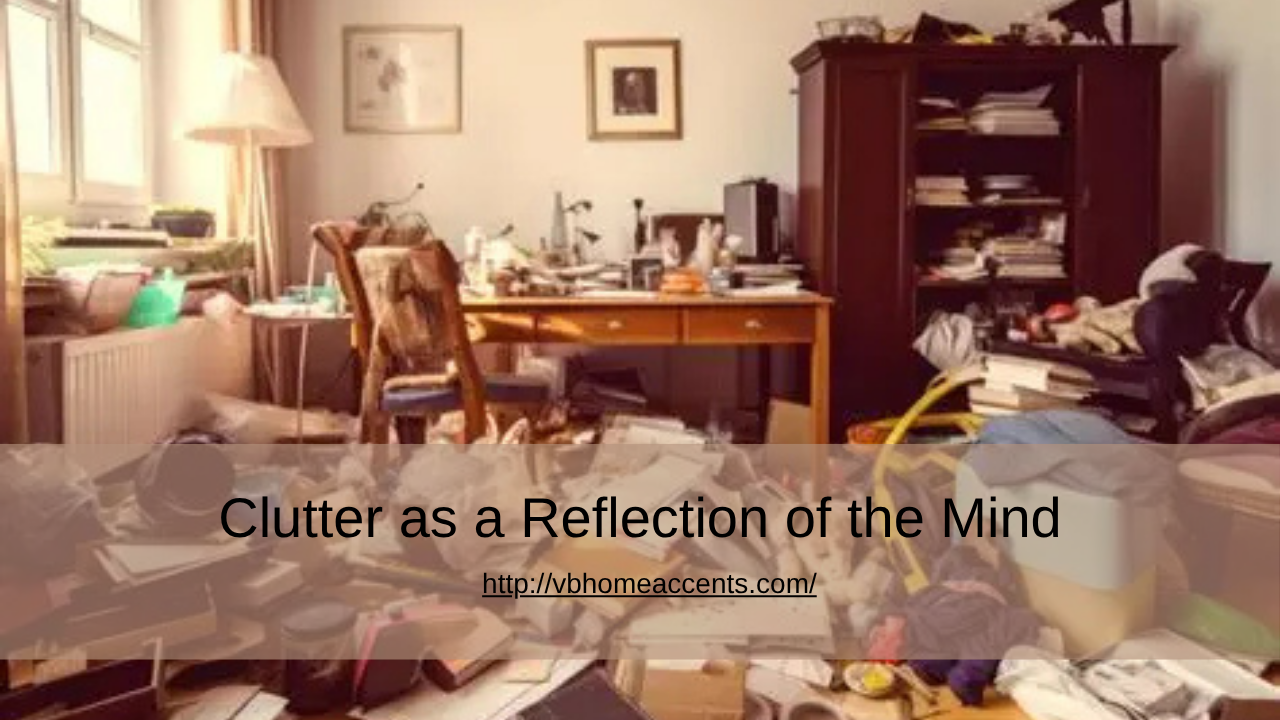
When life feels overwhelming, it often shows in the spaces we live in. A cluttered room, piles of laundry, or a disorganized kitchen may seem like small issues, but they can actually reflect something much deeper. For those walking the road to addiction recovery or managing mental health challenges, the state of one’s home often mirrors the state of one’s mind. Healing begins not only within the heart and spirit but also within the spaces that surround us.
The Connection Between Environment and Emotion
Our environment plays a powerful role in shaping our emotional and mental well-being. Studies show that cluttered or chaotic living spaces can increase stress, anxiety, and even depressive symptoms. When everything around us feels out of place, it becomes harder to focus, rest, and feel at peace.
In addiction recovery, this connection becomes even more important. The home can serve as both a reflection of past struggles and a foundation for new beginnings. Creating a clean, calm environment helps reinforce structure and stability—two essential elements in maintaining sobriety and emotional balance.
Understanding Clutter as a Reflection of the Mind
Clutter can be more than just a collection of physical objects; it can represent emotional burdens that have yet to be released. For individuals in recovery, items may carry painful memories or symbolize times of chaos and loss. The inability to organize or let go of things can sometimes reveal internal resistance to change or healing.
Recognizing this connection is not about judgment—it’s about awareness. Seeing your home as a mirror to your inner state can empower you to take small, meaningful steps toward healing. Every drawer organized or surface cleared can serve as a small act of reclaiming control and peace.
Healing Through Order and Simplicity
Creating a clean, peaceful home is not simply about aesthetics—it’s a form of self-care. A tidy environment supports better mental clarity, emotional regulation, and even spiritual renewal.
At VB Home Accents, healing is approached holistically. The process of recovery includes nurturing the whole person—body, mind, and spirit. By incorporating mindfulness and structure into daily life, individuals can transform both their living spaces and their mental states. Whether it’s through small daily cleaning habits, incorporating nature-inspired design, or creating a space for prayer and reflection, home organization becomes part of the recovery journey.
Practical Ways to Create Healing Spaces
- Start small: Focus on one area or one task at a time to avoid feeling overwhelmed.
- Let go of what no longer serves you: Donate or discard items that remind you of difficult times or no longer support your healing.
- Add calming elements: Natural light, plants, and soothing colors can help promote serenity and mindfulness.
- Set daily intentions: Begin each day with a small goal to maintain balance and cleanliness—it reinforces discipline and emotional grounding.
Building a Foundation for Long-Term Recovery
A peaceful home environment encourages consistency, accountability, and emotional safety. As recovery continues, your living space can evolve alongside your healing journey. Over time, it can become a sanctuary—a place that reflects growth, strength, and renewal.
At VB Home Accents, recovery isn’t just about overcoming addiction; it’s about building a life rooted in peace, purpose, and wholeness. The space around you can either hold you back or help you move forward. When you nurture your environment, you nurture your mind.
Taking the Next Step
If you or someone you love is struggling with addiction or mental health challenges, know that healing is possible. Reach out to VB Home Accents today to learn how holistic, faith-based care can guide you toward lasting recovery—inside and out.